
Interior Design in Downtown Dubai vs Bur Dubai: What Really Sets Them Apart
Only a few minutes is all that stands between Downtown Dubai and Bur Dubai, and still the two pose an interior designer markedly different briefs. The former is a glass-and-steel skyline of new towers, branded residences and penthouse views, whereas the second is one of the city’s oldest districts, built up from heritage buildings, mid-rise apartments and long-established communities. Picking a designer, a budget and a style depends heavily on which of these two versions of Dubai you are decorating. Here we walk through what really changes between the districts in 2026, spanning price per square foot, permits, building rules and design taste. The goal isn’t to name a winner but to help you fit your project to the district it belongs to. Think of it as a hands-on comparison rather than a ranking, because the best answer differs from one address to the next.
The two districts side by side
Downtown Dubai sits around Burj Khalifa and The Dubai Mall and is filled with high-rise apartments, serviced residences and a handful of ultra-prime penthouses. Interiors here trend contemporary, hotel-inspired and finish-driven, because owners often compare their homes to the five-star lobbies next door. Bur Dubai, which hugs the Creek and takes in Al Fahidi, Mankhool, Oud Metha and Karama, is older, denser and far more mixed. Expect heritage wind-tower houses just a few streets from 1990s apartment blocks and newer mid-rise developments. The clientele is broader as well, including long-term residents, landlords refreshing rental units and families renovating homes they have owned for years. In short, Downtown trades on newness and views, while Bur Dubai rewards character, value and sensitive updates. Knowing which of these two logics governs interior design studio your address is the first step to a realistic brief.
Design styles and what clients expect
In Downtown, briefs typically lean into quiet luxury, warm minimalism and smart-home integration, the prevailing residential moods across Dubai in 2026. Open-plan living, full-height glazing and polished surfaces frame the skyline, so designers emphasise lighting design, joinery and statement stone. Studios like Luxury Antonovich Design, based in Downtown Dubai, operate at the ornate, palace-scale end, whereas firms such as Muse Design and Zen Interiors deliver more restrained contemporary residential schemes. Bur Dubai projects often ask for something different: durable, practical interiors that respect older layouts and sometimes heritage constraints. Here the discussion often centres on reconfiguring compartmentalised rooms, improving storage and modernising kitchens and bathrooms without a full structural overhaul. Expect warmer, more eclectic palettes that nod to the district’s history rather than the glossy, gallery-white look common in the towers. For these bespoke updates, kitchen and joinery specialists such as Venezia Designs and Al Banan Group are often engaged in either district.
Budgets and the price per square foot
It is on money that the two districts separate most clearly. As a 2026 guide, mid-range residential fit-out lands around roughly AED 200 to 400 per square foot, while luxury apartments and penthouses can reach AED 600 to 1,200 and beyond for the most exacting specifications. Downtown projects tend toward the upper half of that range, driven by premium finishes, imported materials and the expectation of a turnkey result. A two-bedroom Downtown apartment of roughly 1,100 to 1,500 square feet might land anywhere from AED 400,000 to 750,000 at mid level, and easily pass AED 800,000 to 1.8 million when specified as high-end, with every figure a 2026 market range rather than a fixed quote. Bur Dubai renovations tend to sit in the budget-to-standard band of about AED 75 to 250 per square foot, particularly where the aim is a clean, rentable refresh. Design-only fees in both areas usually come to about 10 to 20 percent of the project budget, or AED 175 to 550 per square foot as a standalone service.
Buildings, permits and sign-offs
In both districts you need formal approval before any fit-out begins, but the path changes with the building and its authority. Because most of Bur Dubai comes under Dubai Municipality, renovations there typically follow the standard route of an NOC from the building owner or management, then a fit-out permit, with Dubai Civil Defence handling fire and life-safety items. Some of Downtown Dubai lies within master-developer communities, and these can add a layer of community approval and stricter contractor accreditation over the municipal process. Older buildings in Bur Dubai sometimes hold surprises, such as ageing MEP systems, non-standard layouts or heritage overlays in areas like Al Fahidi that limit external changes. Newer Downtown towers tend to have clearer, better-documented rules, yet they also impose tighter working hours, material-delivery windows and noise limits. As a 2026 estimate, straightforward approvals commonly take about three to ten working days once paperwork is complete, though community sign-offs can extend that.
Timelines and logistics on site
Beyond permits, the day-to-day of running a job changes between the areas. A mid-size apartment refit typically takes about six to ten weeks of combined design and fit-out as a 2026 planning estimate, but Downtown’s tower logistics can stretch that. In tall buildings, single service lifts shared across dozens of units, strict move-in windows and security check-ins all slow material handling. Bur Dubai’s low- and mid-rise stock is often easier to load into, yet narrow older streets, limited parking and tight service cores create their own friction. Downtown contractors also plan around peak footfall near The Dubai Mall, while Bur Dubai crews navigate dense, mixed-use blocks with active ground-floor retail. Working these realities into the programme early is what keeps either project on track. From day one, fit-out contractors such as USBC Interiors and MGM Interiors plan mobilisation, deliveries and snagging around these constraints.
Downtown Dubai vs Bur Dubai: a direct comparison
The table below gathers the main contrasts into one view for quick scanning. Read it as a first filter rather than a hard rulebook, since individual buildings differ widely. Prices are 2026 market estimates and move with specification, materials and timing. The comparison assumes a typical residential project rather than a commercial or hospitality fit-out. Both columns describe tendencies, not guarantees, so always verify specifics for your exact address. Treat the heritage and community notes as the points most likely to affect your programme.
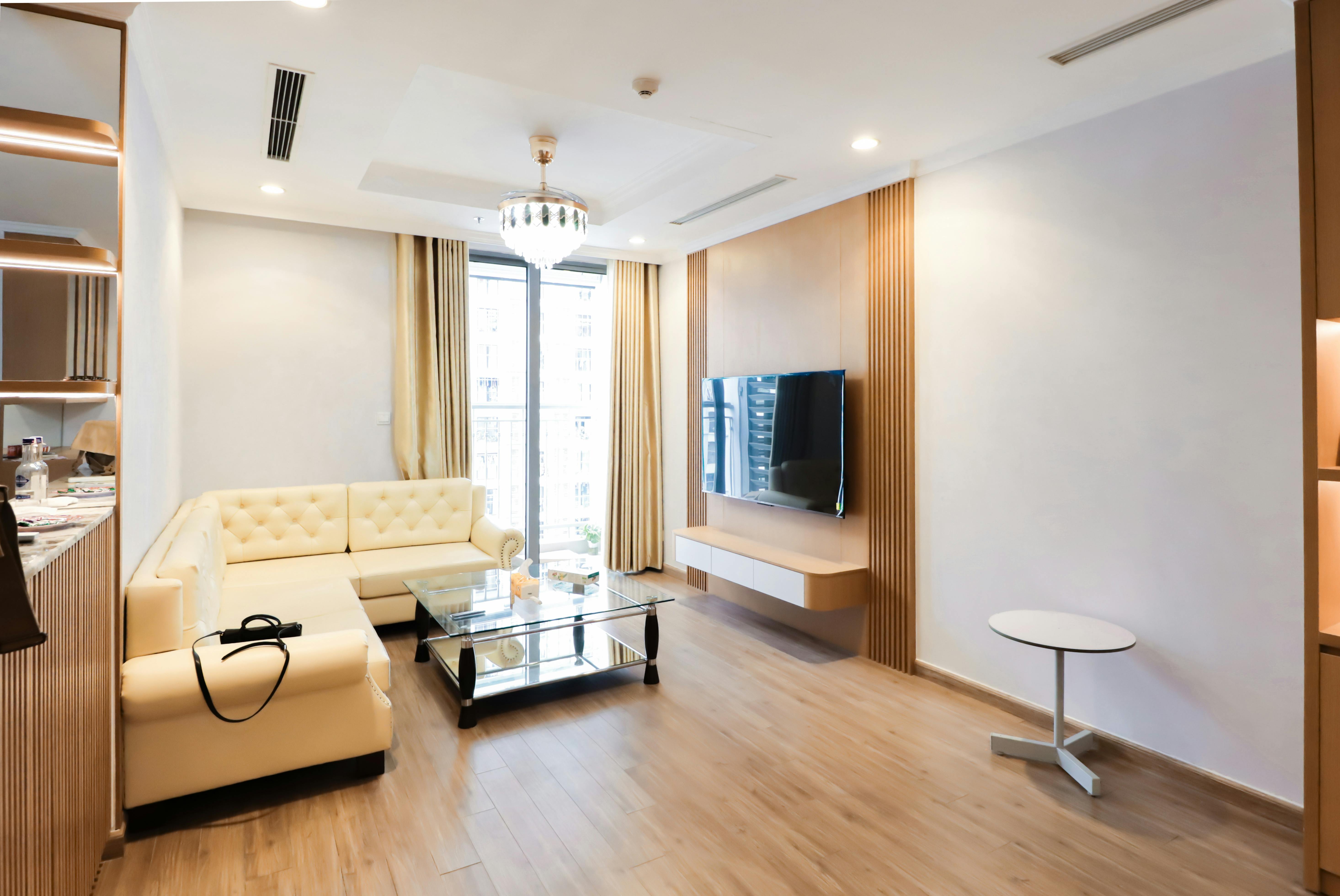
| Factor | Downtown Dubai | Bur Dubai |
|---|---|---|
| Typical property type | New high-rise apartments, penthouses and branded residences | Mid-rise apartments, older blocks, heritage-adjacent homes |
| Dominant style | Hotel-inspired contemporary quiet luxury | Practical, warmer and character-led refreshes |
| Fit-out per sq ft (2026 est.) | AED 400 to 1,200+ | AED 75 to 300 |
| Primary authority | Dubai Municipality plus community approvals | Dubai Municipality |
| Usual aim | A turnkey premium finish | Value refresh and rental-ready update |
| Logistics on site | Tower lifts, strict delivery windows | Older cores and tight streets |
Which area is right for your project?
The right choice hinges less on prestige and more on what you genuinely need from the space. If you want a turnkey, finish-led home that trades on views and echoes the tone of nearby hotels, Downtown Dubai repays the higher budget it demands. If you prize character, larger floor plans for the money, or a sensible refresh that protects rental yield, Bur Dubai often offers more room to work with. Consider your tolerance for approvals too, since Downtown’s community layers add polish but also process, while Bur Dubai’s older buildings trade smoother permits for occasional structural surprises. Whichever district you choose, brief your designer on budget band, timeline and building rules at the very first meeting. This turns the Downtown-versus-Bur-Dubai question from a dilemma into a simple matter of fitting the plan to the place.
